Posted on 04/10/2026
Delivery access problems on Marylebone streets: courier fixes that actually work
Marylebone looks elegant from the outside, but anyone trying to get a parcel, bouquet, or urgent order through its streets knows the reality can be fiddly. Narrow one-way roads, busy loading bays, timed restrictions, blocks of flats with tricky entry systems, and the simple fact that London traffic does what London traffic does can all turn a straightforward drop-off into a small headache. If you are dealing with Delivery access problems on Marylebone streets: courier fixes, this guide walks through the practical stuff that helps parcels arrive on time, in one piece, and with far less drama.
We will cover why the issue matters, how courier workarounds are handled in real life, what businesses and residents can do to reduce failed drops, and the best habits that make deliveries smoother. Truth be told, most access issues are fixable once you know where the friction is. The trick is spotting it early.
- Why delivery access problems matter in Marylebone
- How courier fixes work in practice
- Key benefits and practical advantages
- Who this is for and when it makes sense
- Step-by-step guidance
- Expert tips for better results
- Common mistakes to avoid
- Tools, resources and recommendations
- Law, compliance, standards, and best practice
- Options, methods, or comparison table
- Case study or real-world example
- Practical checklist
- Conclusion
- Frequently asked questions
Why Delivery access problems on Marylebone streets: courier fixes Matters
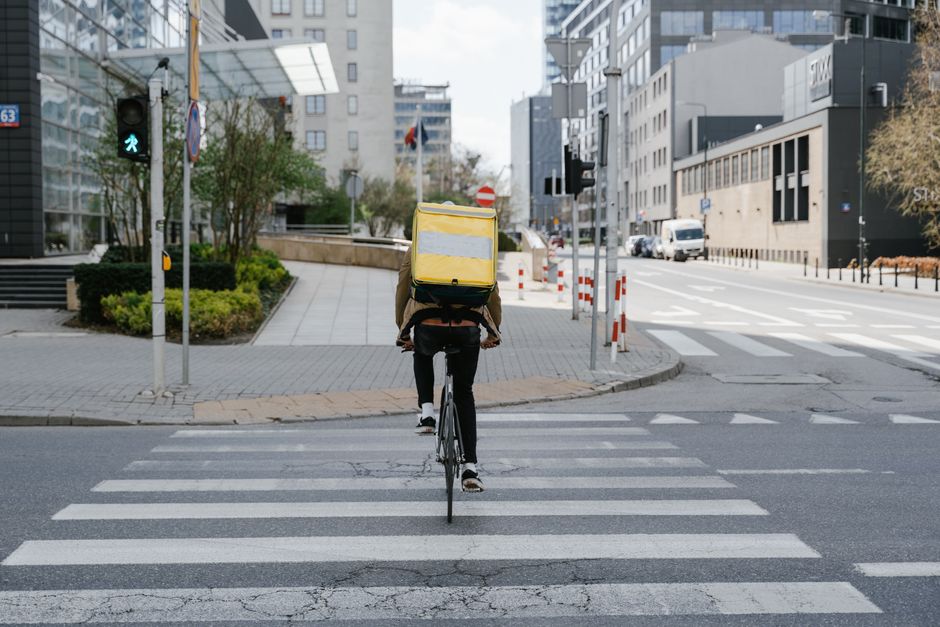
Delivery access sounds like a narrow topic until it goes wrong. Then it affects everything: missed handovers, spoiled gifts, extra re-delivery trips, unhappy customers, and staff time lost to chasing drivers. In a district like Marylebone, where streets can be busy, parking is limited, and building access varies block by block, the difference between a successful drop and a failed one is often tiny. A wrong entrance. A missing flat number. A courier arriving five minutes outside a loading window. Small things, big consequences.
That is why the topic matters for both residents and businesses. If you run a shop, a studio, an office, or a service that relies on timely local delivery, access planning is not optional. It is part of the service. And if you are receiving something sensitive, such as flowers, event items, or a time-critical parcel, you want the courier to understand the local quirks before the van even turns the corner.
Marylebone also has a mix of delivery environments. You might be dropping to a townhouse on a quiet side street one minute and a managed apartment building the next. Different door systems, concierge rules, loading habits, and recipient expectations. It sounds simple, but it rarely is. To be fair, that is normal for central London. The fix is not more luck. It is better prep.
If you are arranging time-sensitive flower delivery in the area, pages like delivery information and same-day flower delivery in Marylebone W1 can help set expectations before the order is placed.
How Delivery access problems on Marylebone streets: courier fixes Works
Courier fixes are really just a set of practical adjustments that reduce friction at the point of delivery. The exact fix depends on what is blocking access. Sometimes the answer is simple: better address notes. Sometimes it is operational: sending the parcel at a less congested time. Sometimes it is physical: using a different entrance, a concierge handover, or a receiver pickup point nearby.
Here is the basic pattern most experienced couriers follow:
- Identify the access point - front door, side gate, reception, loading bay, or concierge.
- Check restrictions - time limits, no-stopping rules, height barriers, security procedures, or foot-only access.
- Match vehicle and route - van size, cycle courier, or on-foot handoff depending on the street.
- Confirm contact details - mobile number, reception extension, flat number, company name, and building entry code if appropriate.
- Plan the handover - safe location, signed receipt, lobby drop, concierge acceptance, or doorstep delivery.
The important thing is that courier fixes are not just for emergencies. They work best when built into the delivery plan from the start. If you already know a street is tight, a building is awkward, or a timing window is unforgiving, you can avoid the awkward "sorry, we could not access the property" message later on. Nobody enjoys that message. Not the sender, not the recipient, not the driver standing on the kerb in the rain.
A useful detail many people miss: the best access fix may be a different delivery method altogether. For example, a smaller vehicle or a same-day hand delivery can be more reliable than a larger van service if the street layout is the real problem. It is not always about faster. Sometimes it is about smarter.
Key Benefits and Practical Advantages
Sorting out delivery access properly brings benefits that go beyond fewer failed drops. It improves the whole order journey. You notice it immediately when a customer does not have to call twice, a building manager does not have to intervene, or a valuable item does not sit in a vehicle while someone circles the block looking for a legal stopping point.
- Fewer failed deliveries because the courier has the right entry details and route.
- Faster handovers when the recipient is met at the correct access point.
- Better presentation for delicate goods such as flowers, hampers, or gift items.
- Lower risk of damage from repeated loading and unloading.
- Less stress for recipients who do not need to decode last-minute access calls.
- More predictable service for businesses that rely on repeated deliveries.
There is also a commercial advantage that gets overlooked. When delivery access is smooth, customer confidence rises. They may not say it out loud, but they feel it. The order arrives cleanly, the timing makes sense, and the whole thing feels organised. That matters in Marylebone, where many customers expect a polished service and do not really want to hear about "logistics issues" unless absolutely necessary.
If you are comparing delivery options, the flower delivery Marylebone W1 page is a useful starting point, while best flower delivery in Marylebone W1 can help you choose a more dependable service style when timing matters.
Who This Is For and When It Makes Sense
This is not just for couriers. It matters to almost anyone sending something into Marylebone, especially where the handover is time-sensitive or the building access is a bit particular. In practice, the people who benefit most are often the ones who least expect to need a delivery plan.
- Local businesses sending client gifts, stock, or same-day items.
- Florists and gift senders working against a narrow freshness or event window.
- Residents in flats or managed buildings with concierge or buzzer systems.
- Offices and clinics receiving scheduled parcels or repeat shipments.
- Event planners coordinating timed arrivals for weddings, meetings, or functions.
- Anyone sending to unfamiliar addresses where access details are not obvious from the postcode alone.
It makes the most sense when the delivery is valuable, fragile, or time-critical. A standard package with broad delivery windows can absorb a small delay. A bouquet for an anniversary dinner at 7 pm probably cannot. Let's face it, nobody wants to explain that the flowers are "nearby, technically".
If you are arranging a gift rather than a routine order, pages like birthday flowers Marylebone W1, send flowers Marylebone W1, and flower shops Marylebone W1 can be helpful when deciding what level of delivery support you need.
Step-by-Step Guidance
Here is a practical way to reduce delivery access problems before they happen. This is the bit that saves time later.
- Write the address exactly as the courier should use it. Include building name, flat number, floor, buzzer, and any rear or side entrance if that is the real access point.
- Add access notes that are specific, not vague. "Use rear entrance from side lane" is useful. "Hard to find" is not. Helpful, but not enough.
- Check timing constraints. If the building only accepts items at certain hours, say so clearly. If the street is awkward at school-run time or during a loading restriction window, build around that.
- Confirm who will receive the delivery. Is it the recipient, reception, concierge, a colleague, or a neighbour? If it is not obvious, spell it out.
- Choose the right delivery method. A smaller local courier, same-day service, or timed hand delivery may work better than a larger vehicle-based drop.
- Share a mobile contact that will actually be answered. This sounds basic, and it is, but it prevents a surprising number of failed attempts.
- Prepare for a fallback. If the recipient is unavailable, ask in advance whether a concierge, receptionist, or safe drop point can accept the item.
In real life, the best deliveries are often the boring ones. No panic. No guessing. Just clear instructions and a courier who knows what to do when the street narrows and the entrance is not where the postcode seemed to suggest. That is the goal.
For florals, it also helps to review freshness and handling guidance after delivery. A quick look at flower care can make a visible difference once the item arrives.
Expert Tips for Better Results
After enough awkward drop-offs, you start seeing the same patterns. The good news is that the fixes are not mysterious. They are usually tiny adjustments, done consistently.
- Use landmark-based notes. "Opposite the clinic entrance" or "next to the glass lobby" is often clearer than a building name alone.
- Keep delivery notes short but complete. Too much text gets skipped. Too little leaves the courier guessing.
- Be honest about access difficulty. If the street has no easy stopping place, say that up front. Couriers can plan for it.
- Match parcel size to access reality. Large items and tight entrances do not always mix well. Obvious, perhaps, but worth saying.
- Schedule around known pressure points. Mid-morning or early afternoon may be easier than the edges of the school run or commuter peak.
- Give a backup number. If the main contact is in meetings, a second number can save the day.
One small but useful habit: test the instructions before a high-stakes delivery. If someone else can read them and instantly understand where to go, you are probably in good shape. If they need a detective board and a strong coffee, rewrite them.
When reliability matters most, it can also be worth considering specialist or premium delivery options such as next-day flower delivery in Marylebone W1 or a service with more flexible dispatch. Same-day options can be especially helpful if access needs to be adjusted quickly.

Common Mistakes to Avoid
A lot of delivery frustration comes from the same handful of mistakes. Once you know them, they are easy to avoid. Annoyingly easy, in fact.
- Assuming the postcode is enough. In Marylebone, it often is not.
- Leaving out flat, unit, or reception details. A courier cannot guess the right door if there are six similar ones.
- Not checking access hours. A perfectly good route can fail if the building only accepts deliveries at certain times.
- Using vague notes like "call on arrival". That helps only if the recipient is ready to answer quickly.
- Picking the wrong delivery type. A service that works well for standard parcels may struggle with a time-critical handover.
- Ignoring weather and street conditions. A light drizzle can slow foot handovers; a wet pavement and heavy box is not a fun mix, frankly.
Another subtle mistake is overcomplicating the note field. A wall of instructions can be just as bad as none at all. Focus on the things a courier truly needs: where to enter, who to see, when to arrive, and what to do if the recipient is not there.
Tools, Resources and Recommendations
You do not need fancy software to improve delivery access, but a few practical tools and habits help a lot. The best resources are often simple ones used consistently.
| Tool or resource | What it helps with | Best use |
|---|---|---|
| Clear address template | Consistent formatting of building, flat, and access notes | Repeat deliveries, offices, and managed properties |
| Recipient mobile number | Real-time handover support | Same-day and timed deliveries |
| Concierge or reception contact | Alternative receipt when the recipient is unavailable | Apartment blocks and commercial buildings |
| Delivery preference notes | Preferred entrance, side gate, or safe drop point | Addresses with unusual access |
| Order tracking or status updates | Reduces uncertainty and missed handovers | Time-sensitive local deliveries |
Where flowers are involved, it can help to choose an order style that gives you enough flexibility. For example, a general seasonal choice such as florist choice or a more streamlined delivery-friendly arrangement from the best sellers range can reduce the risk of awkward size or handling issues. Sometimes simplicity is the sensible option.
For customers sending to offices or repeat recipients, corporate accounts can also make recurring delivery instructions easier to manage. That is especially useful when the same building or front desk is involved week after week.
Law, Compliance, Standards, or Best Practice
Access problems are not only an operational issue; they can also touch on local compliance and good practice. In central London, couriers and senders should be aware of parking restrictions, loading rules, building security requirements, and property access arrangements. Exact rules depend on the street, the property, and the delivery method, so it is wise to check the relevant local and building-specific conditions rather than assume a shortcut will work.
From a best-practice point of view, the main principles are straightforward:
- Do not obstruct access or emergency routes.
- Do not rely on informal parking or stopping assumptions.
- Respect building instructions and reception procedures.
- Handle recipient data carefully. Contact details should be used only for delivery purposes and managed sensibly.
- Be clear about delivery windows and expectations. Honest timeframes reduce disputes later.
If you are handling deliveries for customers or staff, written terms matter too. It is sensible to keep an eye on your service pages, policies, and delivery statements so that your promises match what can realistically be done on Marylebone streets. If you need to review the finer print, the site pages for terms and conditions, returns and refund, privacy policy, and guarantees are the kind of references customers usually appreciate.
Best practice is really about being honest and prepared. If a delivery might need a concierge handover, a smaller vehicle, or a flexible drop time, say so before the order goes out. That one habit prevents a surprising amount of friction.
Options, Methods, or Comparison Table
Different fixes suit different access problems. The table below gives a simple comparison of common options.
| Method | Best for | Pros | Watch-outs |
|---|---|---|---|
| Detailed address notes | Most standard drops | Low effort, quick to implement | Only works if the courier reads them carefully |
| Timed delivery window | Busy streets and reception-based deliveries | Better chance of access at the right moment | Less flexible if the recipient is delayed |
| Concierge or reception handover | Managed buildings and offices | Reliable if staff accept deliveries | Depends on building policy |
| Smaller vehicle or foot courier | Narrow streets and tight entry points | Better manoeuvrability | May need more precise timing |
| Alternative pickup point | Hard-to-access addresses | Can avoid repeated failed attempts | Recipient must travel to collect |
In practice, the right choice often depends on how much certainty you need. For a birthday bouquet, timed delivery to the correct lobby may be enough. For a commercial delivery, reception handover or a confirmed contact at the destination could be the smarter route. It is not glamorous, but it works.
Case Study or Real-World Example
Imagine a florist sending a same-day arrangement to a Marylebone apartment building on a busy afternoon. The recipient is in meetings, the building has a secure entrance, and the street outside is too tight for long stops. The first attempt could easily fail if the courier only has the postcode and a generic flat number.
Now compare that with a better setup. The sender includes the building name, the side entrance, a note that the concierge can accept the item, and a mobile number for the recipient. The courier arrives during the agreed window, uses the rear access point, and hands the bouquet to reception. No circling. No repeated calls. No flowers waiting in a hot vehicle while someone tries to remember which buzzer belongs to which lobby.
That is the difference. Not magic. Just organised delivery.
We have seen similar situations where the item itself was not the issue at all; it was the handover. Once the access instructions were tightened up, the success rate improved straight away. A small change, but a meaningful one. The kind people notice the day it goes smoothly.
Practical Checklist
Before you send or arrange a delivery into Marylebone, run through this checklist. It saves time, and honestly, a bit of annoyance too.
- Full address included - building, floor, flat, and any entry notes.
- Correct contact number - ideally one that will be answered during the delivery window.
- Delivery window confirmed - especially for same-day or timed items.
- Access route noted - front door, side gate, reception, or concierge.
- Building restrictions checked - reception hours, security rules, or no-entry times.
- Backup receiver identified - receptionist, concierge, colleague, or neighbour if needed.
- Package or bouquet suitable for the route - size and fragility considered.
- Instructions kept concise - enough detail, not a mini novel.
- Service choice matches the access challenge - same-day, next-day, or flexible timing as appropriate.
- Tracking or confirmation plan ready - so you know the item has arrived.
If you are sending a gift for a special date, reviewing the order against the recipient's actual building setup is worth the extra minute. That tiny pause before checkout can save a lot of back-and-forth later.
Conclusion
Delivery access problems on Marylebone streets are rarely about one big failure. More often, they are the sum of small details: a narrow road, a buzzer system, a poor note, a missed window, a building rule nobody mentioned until the last second. The good news is that courier fixes are practical, not mysterious. Clear instructions, the right delivery method, realistic timing, and a backup plan go a long way.
If you are sending flowers, gifts, or any time-sensitive item into the area, the best result usually comes from planning the handover as carefully as the item itself. That simple shift makes deliveries smoother, lowers stress, and gives everyone a better experience.
Get a free quote today and see how much you can save.
And if you get the access right the first time, everything else tends to feel a little easier. Funny how that works.
Frequently Asked Questions
What causes delivery access problems on Marylebone streets?
The most common causes are narrow roads, limited stopping space, managed building entrances, security systems, and delivery windows that do not line up with local traffic patterns. In many cases, the issue is not the item itself but the handover point.
What is the best courier fix for a hard-to-access Marylebone address?
The best fix depends on the property, but clear delivery notes, a confirmed contact number, and the right delivery method are usually the biggest wins. For some addresses, a smaller vehicle or concierge handover is the practical answer.
Should I always include flat numbers and building names?
Yes, as a rule. In Marylebone, a postcode alone is often not enough. The more specific the destination, the fewer chances there are for delay or confusion.
Can a courier leave a parcel with reception or concierge?
Sometimes, yes, but it depends on the building's own rules. Always check whether the building accepts deliveries at reception and whether the recipient is comfortable with that arrangement.
What should I do if the recipient is not available?
Have a backup plan before dispatch. That may mean a concierge, a receptionist, a neighbour, or a second delivery attempt. Leaving this decision until the last minute usually causes avoidable delays.
Is same-day delivery more likely to run into access problems?
It can, simply because there is less time to correct missing details. That said, same-day can also be easier when the courier knows the address well and the sender provides precise instructions from the start.
How do I make a flower delivery easier in Marylebone?
Use accurate address details, a working contact number, and a delivery window that fits the recipient's availability. If the building has a concierge or reception, mention that clearly. Flower care after arrival also matters, so a quick check of handling notes helps too.
Do I need to worry about parking or stopping restrictions?
Yes, especially in central London. Couriers should avoid blocking access or assuming they can stop anywhere. It is safer to plan deliveries around realistic access points and legal stopping opportunities.
What is the simplest way to reduce failed deliveries?
Keep the instructions short, specific, and complete. Include the exact access point, the right contact person, and any time restrictions. That alone solves a surprising number of problems.
Are there certain delivery types that work better in Marylebone?
Smaller, more flexible delivery methods often work better when the street or building is awkward. For delicate or time-sensitive items, local same-day or next-day services can be more reliable than a one-size-fits-all approach.
What should businesses do if they receive repeat access issues?
They should review their delivery notes, update contact details, and check whether the chosen courier method still fits the property. If the same issue keeps happening, it usually means the instructions or the delivery method need to change rather than the courier just needs "trying harder".
Can better delivery notes really make that much difference?
Absolutely. Good notes remove guesswork, reduce calling around, and help the courier find the correct entrance faster. It sounds small, but in a busy area like Marylebone, small details are often the whole game.