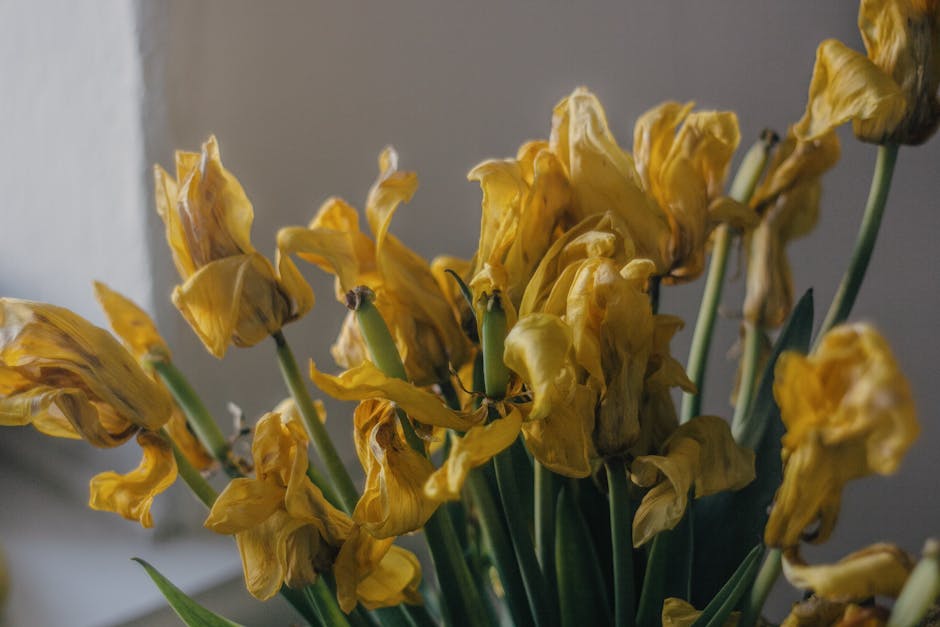
Emergency wilted flowers? Fast revival tips for Marylebone homes
Posted on 08/05/2026
If your bouquet has suddenly drooped on the kitchen counter, don't panic. Wilted flowers can often bounce back faster than you'd think, especially when you act in the first 10 to 20 minutes. In Marylebone homes, where flowers might arrive after a commute, a warm flat day, or a slightly over-enthusiastic radiator, the fix is usually simple: clean water, a sharp trim, and the right environment. This guide walks you through Emergency wilted flowers? Fast revival tips for Marylebone homes in a practical, no-nonsense way so you can rescue the arrangement before it goes past the point of no return.
Whether the stems have bent, the petals look tired, or the whole bunch seems to have "given up", there is usually something you can do. And yes, sometimes the answer is as basic as moving them away from the fruit bowl. Funny how often that's the culprit.
Table of Contents
- Why Emergency wilted flowers? Fast revival tips for Marylebone homes Matters
- How Emergency wilted flowers? Fast revival tips for Marylebone homes Works
- Key Benefits and Practical Advantages
- Who This Is For and When It Makes Sense
- Step-by-Step Guidance
- Expert Tips for Better Results
- Common Mistakes to Avoid
- Tools, Resources and Recommendations
- Law, Compliance, Standards, or Best Practice
- Options, Methods, or Comparison Table
- Case Study or Real-World Example
- Practical Checklist
- Conclusion
- Frequently Asked Questions
Why Emergency wilted flowers? Fast revival tips for Marylebone homes Matters
Flowers don't just look decorative. In many Marylebone homes, they're part of the moment: a birthday breakfast, a quiet apology, a welcome-home gesture, or a table arrangement that is meant to soften the room. When they wilt early, the feeling can be surprisingly deflating. The bouquet is still there, of course, but the energy has gone. That matters because flowers are often bought for a specific purpose and a short timeframe.
There's also a practical side. Fresh flowers are a living product, and a lot can happen between the florist, the doorstep, and your vase. Temperature swings, a poor water level, dull scissors, and a cramped stem bundle can all shorten vase life. In a flat, townhouse, or apartment in Marylebone, these stresses are very ordinary. Central heating in winter, bright windows in summer, and a busy household can all speed up drooping.
So this topic matters for two reasons. First, it saves the flowers you already have. Second, it helps you understand what to do next time so you get better value from every arrangement, whether it came from a local florist in Marylebone W1 or arrived as a timed delivery.
Expert takeaway: most wilted flowers are not "dead" when they first droop; they are often dehydrated, air-blocked, or heat-stressed. Treat the cause quickly, and you often get a visible recovery within hours.
How Emergency wilted flowers? Fast revival tips for Marylebone homes Works
Reviving wilted flowers is really about restoring three things: water uptake, stem support, and a cooler environment. If a stem can't drink properly, the bloom sinks. If the stems are damaged or clogged, the water never reaches the petals. If the room is too warm or too sunny, the flowers lose moisture faster than they can absorb it.
That's why fast revival works best when you move in a sequence rather than trying random tricks. A hard trim helps remove blocked stem ends. Fresh water lowers bacterial load. Clean stems and a clean vase prevent the problem from repeating. In some cases, a brief soaking or a cool rest can help flowers perk back up before they are arranged again.
The exact method depends on the type of flower. Roses often respond well to a recut and deep water. Hydrangeas can improve dramatically if they're fully hydrated. Tulips prefer cooler treatment and less water. Soft-stemmed stems like alstroemeria or carnations tend to be more forgiving, while some luxury stems need gentler handling. So the fix works, but not always the same way for every bouquet. Truth be told, flowers have opinions.
For same-day or next-day arrivals, it also helps to think about the journey. If you've ordered through same-day flower delivery in Marylebone or next-day flower delivery, a little preventative care on receipt can stop a small issue becoming a full wilt.
Key Benefits and Practical Advantages
Quick revival isn't just about saving something pretty. It can make the difference between a bouquet that feels thoughtful and one that looks tired in the middle of a dinner party. There's a real emotional benefit there, especially if the flowers were sent for a birthday, thank-you, sympathy, or "just because" moment.
Here are the practical advantages of acting fast:
- More vase life: a hydrated bloom lasts longer, which means better value.
- Better presentation: revived stems stand taller and look fuller on display.
- Less waste: you avoid throwing out flowers that could have been rescued.
- Improved scent and freshness: many flowers smell brighter once they rehydrate.
- Less stress: if a bouquet is for guests or a gift, fast action keeps the moment intact.
There's another benefit that people sometimes miss: learning how to rescue flowers helps you buy and receive flowers more intelligently. You start noticing packaging, hydration, stem length, and flower types. That's useful whether you're choosing seasonal stems, the best flower delivery in Marylebone W1, or more budget-friendly stems from cheap flowers Marylebone W1.
Who This Is For and When It Makes Sense
This guide is for anyone who has looked at a bouquet and thought, "Oh no, not already." That includes busy households, people working from home, hosts preparing for guests, and gift recipients who want to keep a thoughtful present looking its best.
It especially makes sense in these situations:
- You've just received flowers that looked fine in the box but drooped after unwrapping.
- The bouquet has been sitting near a radiator, window, or warm appliance.
- Your stems were out of water during transit or unpacking a bit too long.
- The arrangement is for a time-sensitive occasion like a birthday, wedding breakfast, or condolence visit.
- You want to make sure a gift order from send flowers Marylebone W1 arrives looking strong at first display.
It is also useful if you're comparing bouquet styles. Some designs are naturally sturdier than others. For example, mixed seasonal arrangements and compact designs may hold up differently from tall, open arrangements. If you need something especially reliable, a vase-based option can be a sensible choice, such as flowers in a vase or one of the more robust best sellers.
Step-by-Step Guidance
If your flowers are visibly wilted, follow this process in order. Don't skip around. It's a bit like giving first aid to the bouquet, and order matters.
- Move the flowers immediately. Take them away from direct sun, radiators, cooking steam, and fruit bowls. A cooler room is better.
- Clean the vase. Wash it with hot water and a small amount of washing-up liquid, then rinse thoroughly. Leftover bacteria can shorten vase life.
- Prepare fresh water. Use cool or lukewarm water unless the flower type needs something specific. Add flower food if you have it.
- Recut every stem. Trim 1 to 2 cm off the base at a sharp angle with clean scissors or floristry snips. This opens the stem for better water uptake.
- Strip submerged leaves. Remove any leaves that would sit below the waterline. They rot quickly and make the water go cloudy.
- Give the stems space. Don't crowd them. If a bouquet is tightly tied, loosen it slightly so the stems can separate and drink.
- Hydrate deeply. Place the flowers back into the vase promptly. For very limp stems, use a deeper fill for the first few hours, where appropriate for the flower type.
- Wait and watch. Leave them in a calm spot for 30 minutes to a few hours. Some flowers perk up quickly; others need time.
- Rearrange gently. Once the stems stiffen a little, reset the bouquet shape. This is the moment when a droopy bunch starts looking like a proper arrangement again.
For particularly thirsty blooms, such as some hydrangeas, the solution may involve more than a quick drink. You may need to hydrate the flower head itself, but only with care. Delicate petals can bruise if handled roughly. If in doubt, go gently.
A quick rescue routine for a standard household bouquet
If you only have five minutes, do these four things: recut stems, change the water, remove foliage below the waterline, and move the bouquet to a cooler room. That alone will rescue a surprising number of arrangements.
Expert Tips for Better Results
Here's where a few small choices make a big difference. In our experience, the flowers that recover best are the ones that are treated as soon as the first signs of stress appear. Waiting until petals have fully collapsed can still be salvageable, but it is harder work.
Tip 1: Use a truly sharp blade. A blunt knife or crushed stem end blocks water uptake. Clean floral snips are ideal. If you only have kitchen scissors, make sure they're very sharp and freshly cleaned.
Tip 2: Check the water daily. Flowers drink more than people expect, especially in warm rooms. Top up before the vase runs low.
Tip 3: Keep flowers away from ripening fruit. Ethylene gas from fruit can speed up ageing. That fruit bowl on the sideboard? Convenient, but not always flower-friendly.
Tip 4: Treat different stems differently. Roses, tulips, lilies, gerbera, hydrangeas, and chrysanthemums all have slightly different preferences. A one-size-fits-all approach is useful as a start, but not the whole story. For example, lilies can be long-lasting if handled well, while chrysanthemums are usually forgiving and good for busy homes.
Tip 5: Don't overfill the vase with food. Too much flower food is not better. Use the recommended amount only. If you're uncertain, plain clean water is safer than guesswork.
Tip 6: Use the fridge carefully. A cool room is fine. The household fridge, less so, unless you know what you're doing and the flowers are not near fruit or vegetables. It's a bit of a faff, honestly.
If the bouquet is a gift for a special day, such as birthday flowers Marylebone W1 or a seasonal celebration, consider selecting sturdier stems next time. A mixed bouquet from mixed colours or a classic arrangement from roses may suit different rooms and lifespans.
Common Mistakes to Avoid
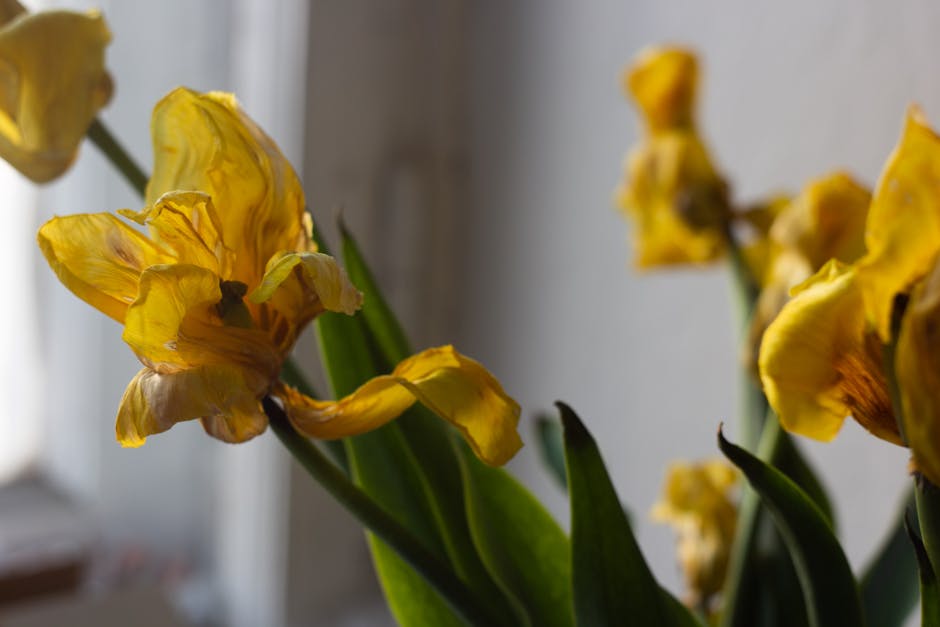
A lot of flower "emergencies" get worse because people mean well. No judgement. We've all done at least one of these.
- Leaving the bouquet in the delivery wrap too long. Wrapping is for transport, not display.
- Using a dirty vase. Bacteria can build up quickly and shorten vase life.
- Cutting stems with blunt tools. This can crush the stem rather than open it.
- Adding flowers to hot water because it sounds more "reviving". Usually, that is not the answer.
- Placing flowers near a sunny window or radiator. Warmth speeds up moisture loss.
- Ignoring the leaves below water level. This causes murky water and a faster decline.
- Spraying petals too aggressively. Some flowers tolerate misting, others don't. A heavy spray can damage fragile blooms.
Another common mistake is assuming all wilt means the same thing. A thirsty stem, a bent stem, and a heat-damaged bloom are not identical problems. If you treat them all the same way, results can be patchy. Slightly annoying, but true.
Tools, Resources and Recommendations
You don't need a specialist kit to revive wilted flowers, but having the right basics nearby makes the job far easier. Keep these in the kitchen drawer or utility area if you regularly buy flowers:
- Clean floral scissors or very sharp kitchen scissors
- A spotlessly clean vase
- Measuring jug for fresh water
- Flower food sachets, if provided
- Soft cloth or kitchen paper
- Small secateurs for thicker stems
- A spare vase, especially useful for separating mixed blooms
If you prefer to make flower care easier from the start, choose arrangements designed for stability, such as baskets and posies or hand-tied designs that travel well. For time-sensitive gifting, flower delivery in Marylebone W1 is a useful option, and a local flower shop in Marylebone can also help when you need something quickly and neatly prepared.
For wider care advice after the rescue, the site's dedicated flower care page is a practical next stop. And if you are ordering for a future date or special event, it's worth pairing the bouquet with a card from the relevant range, because the message matters too.
Law, Compliance, Standards, or Best Practice
For home flower care, there usually isn't a legal issue. Still, there are a few best-practice points worth keeping in mind, especially if flowers are being gifted, delivered, or used in a shared business space.
First, if you're sending flowers to offices, hospitality venues, or shared residential buildings, make sure delivery instructions are clear and accurate. That helps avoid missed handovers, damaged stems, or flowers sitting too long in a warm concierge area. If you arrange flowers regularly for work, a corporate account can make repeat ordering easier.
Second, follow any product and delivery terms supplied by the retailer. That is normal UK consumer practice. If something arrives damaged, the right next step is to check the seller's returns and refund policy and the guarantees they set out. It's just sensible housekeeping, really.
Third, be careful with safety around water, glass, and spilled petals in busy homes. A vase on a narrow hallway table in a Marylebone flat may look lovely, but it should also be stable. Flowers should not create a trip hazard, especially where children, older relatives, or guests are moving through.
If you are ordering for sensitive occasions such as sympathy or funerals, check that the design, wording, and timing are appropriate. For those situations, dedicated options like funeral flowers Marylebone W1 or related tribute styles are more suitable than an everyday bouquet.
Options, Methods, or Comparison Table
Not every wilted bouquet needs the same rescue. Here's a simple comparison to help you choose the best first move.
| Situation | Best method | What to avoid | Likely result |
|---|---|---|---|
| Freshly drooping after delivery | Recut stems, change water, cool rest | Leaving in wrapping too long | Often improves within a few hours |
| Fully limp roses | Deep rehydration and angled recut | Hot water or rough handling | Good chance of recovery if stems are not badly damaged |
| Hydrangeas with soft heads | Deep hydration, cool room, careful misting where suitable | Dry air and direct sun | Can perk up dramatically |
| Tulips leaning or curling | Cooler water, shorter stems, low vase fill | Warm rooms and overcrowding | Better shape retention, less stretch |
| Mixed bouquet with some tired stems | Separate the worst stems, rescue the rest | Treating every flower the same | Improved overall presentation |
In real life, a hybrid approach is often best. You may need to rescue the strongest stems, remove the weakest ones, and rebuild the bouquet in a smaller vase. That isn't failure. It's just practical.
Case Study or Real-World Example
A very ordinary Marylebone scenario: a hand-tied bouquet arrives just before lunchtime. The recipient is in a flat with strong heating on, the flowers sit on the counter while lunch is sorted, and by mid-afternoon the roses have started to bow. Nothing dramatic, just enough to look sad.
The fix is straightforward. The wrapping comes off, the vase is washed, the stems are recut, and a few leaves are removed below the waterline. The bouquet is moved away from the kitchen and into the cooler hallway for half an hour. One stem that had clearly collapsed is removed and placed in a smaller side vase so it doesn't drag down the rest. By early evening the roses are visibly firmer and the whole arrangement looks more balanced.
That's the bit people often forget: you do not always have to save every stem equally. Sometimes the smartest move is editing the bouquet a little. A trimmed arrangement that looks composed is far better than a full bunch that sags in the middle.
This is also why choosing the right original design helps. If you know a bouquet will be handled by multiple people or displayed in a warm room, a sturdier style from any occasion or a stronger mixed design may be more forgiving than an airy, delicate style.
Practical Checklist
Use this when you need to move fast. Keep it simple.
- Move flowers away from heat and sunlight
- Wash the vase thoroughly
- Refill with fresh water
- Add flower food if supplied
- Recut stems by 1 to 2 cm
- Remove leaves below the waterline
- Loosen tightly packed stems
- Give the bouquet a cool, calm rest
- Check again after 30 to 60 minutes
- Replace cloudy water the next day
Quick note: if the flowers are for a same-day gift, use the same checklist as soon as they arrive. Don't wait until you're "done for the day". By then, they've already lost time.
Conclusion
Wilted flowers are frustrating, but they are not usually a lost cause. With the right quick response, many bouquets recover well enough to look beautiful again, and in Marylebone homes that means more of the day spent enjoying the flowers rather than worrying about them.
The core idea is simple: cool the environment, clean the vase, cut the stems, and rehydrate properly. Do that early and you give your flowers the best chance of springing back. And once you've done it a couple of times, it becomes second nature. Slightly fussy, perhaps, but worth it.
If you want flowers that start strong and stay that way for longer, it also helps to choose the right delivery method, the right bloom type, and a care-friendly arrangement from the start. A bit of planning saves a lot of rescue work later on.
Get a free quote today and see how much you can save.
And if the bouquet still looks a little tired after your rescue attempt, don't beat yourself up. Flowers can be surprisingly resilient, and so can a well-loved home.
Frequently Asked Questions
How do you revive wilted flowers quickly in a Marylebone home?
Start by recutting the stems, cleaning the vase, adding fresh water, and moving the flowers to a cooler spot. That sequence solves a lot of drooping problems fast.
Can wilted flowers really recover after delivery?
Yes, often they can. If the flowers are dehydrated rather than fully damaged, a fresh cut and proper hydration can bring them back noticeably.
Should I use warm or cold water for wilted flowers?
Usually cool or lukewarm water is safest for a general rescue. Some flowers have their own preferences, so avoid guessing with very hot water.
Why did my flowers wilt so quickly indoors?
Common reasons include heat, low water, dirty vase water, direct sun, and stems not being recut after delivery. In central London homes, radiators are a frequent culprit.
How long should flowers stay out of wrapping?
As soon as possible. Wrapping is for transport only. Once home, flowers should be unwrapped, trimmed, and placed in water promptly.
What flowers are easiest to revive?
Hardier blooms like carnations and chrysanthemums are often more forgiving, while some softer flowers need more careful handling.
What should I avoid when trying to save droopy flowers?
Avoid dirty vases, blunt cutting tools, overcrowding the stems, and placing the bouquet near heat sources or ripe fruit.
Do I need flower food to revive wilted blooms?
Flower food helps, but it is not essential in every case. Clean water and good stem prep matter more at the start.
Can I put flowers in the fridge overnight?
Sometimes, but only carefully and not near fruit or vegetables. A cool room is usually the easier and safer choice for most households.
When should I replace a wilted bouquet instead of trying to revive it?
If stems are slimy, petals are collapsing badly, or the bouquet has clearly been without water for too long, replacement may be more realistic than rescue.
Are vase arrangements better for preventing wilting?
They can be. Flowers already arranged in a vase or a water-based presentation often arrive with less handling and may hold up better in the first few hours.
What's the best next step if I want flowers delivered in Marylebone again?
Choose a delivery service that suits your timing, then select a bouquet style that matches the room and occasion. If you want help choosing, a trusted best flower delivery Marylebone W1 option can make the process much easier.