Posted on 12/10/2026
Marylebone Shopfront Floral Displays: Westminster Council Fines
If you run a shop, cafe, salon, or hospitality venue in Marylebone, the look of your frontage matters more than most people realise. A neat floral display can make a place feel welcoming in seconds. But the same display can also create problems if it spills into the pavement, blocks sightlines, or runs foul of Westminster Council rules. That is where the topic of Marylebone shopfront floral displays: Westminster Council fines becomes very real.
Let's face it: most business owners are not trying to cause trouble. They are trying to attract customers, add charm, and make the street feel alive. Yet small details - planter placement, overhanging stems, narrow walkways, spill-out trading, or a display that suddenly becomes a trip hazard after a windy evening - can trigger complaints or enforcement. This guide explains what that means in plain English, how fines can arise, and what you can do to keep your frontage attractive without creating avoidable risk.
Below, you will find a practical breakdown of the issue, what council enforcement usually focuses on, how to make better day-to-day decisions, and where floral display choices fit into a wider shopfront strategy. If you want the short version first: beautiful is fine, but safe, tidy, and permission-aware is better. Much better.
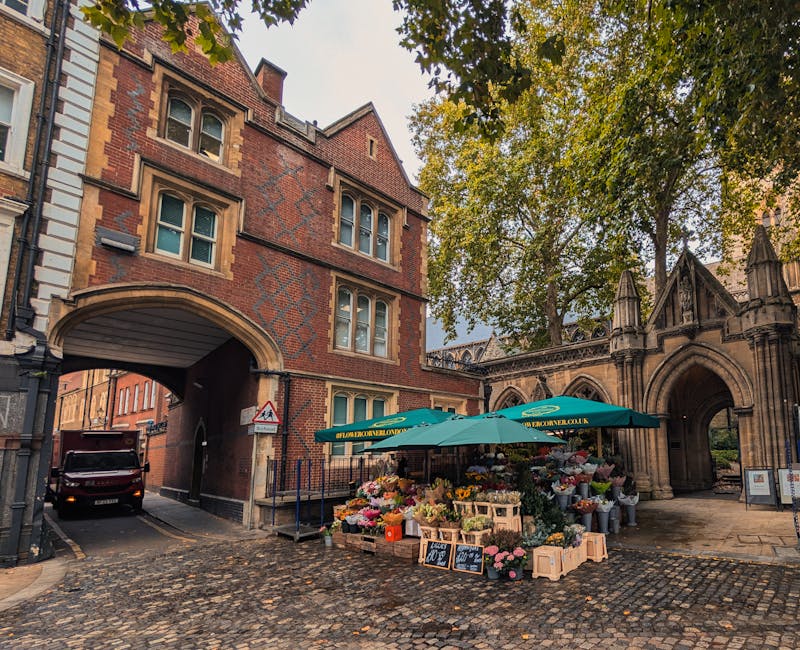
Why Marylebone shopfront floral displays: Westminster Council fines Matters
Marylebone is one of those parts of London where presentation really counts. The streets can feel polished, elegant, and busy all at once. A well-kept floral display can lift a frontage, soften hard architecture, and make a business feel more inviting before a customer even steps through the door. But the same display also sits in a public environment, and that means your choice is not just visual - it is operational, legal, and practical too.
Westminster Council is likely to look at anything placed on the highway, pavement, or near the public route with a few simple questions in mind: does it obstruct movement, does it create a danger, is it permitted, and is it being maintained properly? A small basket of flowers may seem harmless. Then a delivery bike clips it. Or rain makes the path slippery. Or the display drifts into the walking line. Suddenly a pretty detail becomes an enforcement issue. Not ideal, obviously.
For businesses in Marylebone, the stakes are straightforward:
- you want a frontage that supports trade, not a complaint;
- you want to avoid avoidable council action and possible fines;
- you want a display that looks good in daylight and still works at peak footfall;
- you want something that can be maintained consistently, not just for one busy weekend.
There is also a reputational layer here. In a premium shopping and dining area, people notice the small things. A dishevelled display can make a business look careless. A display that is too aggressive can make the whole street feel cramped. The sweet spot is a frontage that feels considered, seasonal, and respectful of the shared space.
Key point: the issue is not flowers themselves. It is where they sit, how they are secured, whether they obstruct public access, and whether you have the right approvals or permissions where needed.
How Marylebone shopfront floral displays: Westminster Council fines Works
In practice, enforcement usually starts with the basics. A display may be fine one day and a problem the next if it changes the use of the pavement or creates a hazard. If the council receives a complaint, or if an officer sees an issue during routine checks, the display may be reviewed against local rules and wider public safety expectations.
Here is the simple version of how things can unfold:
- A business places floral decor outside or near the shopfront.
- The display is assessed - formally or informally - against access, safety, and local permission rules.
- If the arrangement is causing obstruction, nuisance, or non-compliance, the business may be warned, asked to change it, or told to remove it.
- If the issue continues, enforcement action and fines may follow, depending on the circumstances and the council's process.
That sounds dry on paper, but day-to-day it often comes down to small, ordinary details. A planter that is only a little too wide. A floral stand that looks fine at 8 a.m. but leaves no easy route at lunchtime. A decorative display that is lovely in photos yet awkward when someone is wheeling a suitcase, pushing a buggy, or carrying a delivery crate past it.
Most businesses do not realise how quickly a nice frontage can become a problem if it starts behaving like street furniture without permission. It is one thing to style your entrance; it is another to occupy public space as if it were your own.
If you are already managing a broader customer-facing service, such as seasonal ordering or client gifting through a local Marylebone florist, you will know that presentation and reliability tend to go hand in hand. The same principle applies outside the premises.
Key Benefits and Practical Advantages
It may sound odd to talk about benefits in an article about fines, but there is a useful reason for doing so. The best floral display strategy is not about fear. It is about getting the upside without the avoidable downside.
When managed properly, shopfront floral displays can deliver a few real advantages:
- Stronger curb appeal: flowers break up hard lines and make a frontage feel warmer.
- Better first impressions: customers often decide within seconds whether a place feels welcoming.
- Seasonal flexibility: displays can reflect spring, summer, autumn, or festive periods without a full redesign.
- Brand personality: the right colours and scale can make a business feel distinctive rather than generic.
- Photo-friendly frontage: a neat display often encourages social sharing, which is still a thing, despite what anyone says.
There is also a practical commercial angle. A frontage that is maintained neatly tends to age better through the week. That means fewer last-minute fixes before the lunch rush, fewer complaints from neighbours, and fewer awkward moments with visitors who are unsure where to walk.
To be fair, flowers are not a magic answer to every retail problem. They will not compensate for poor signage or weak service. But they do shape perception. In a place like Marylebone, where the environment is part of the customer experience, that matters more than people admit.
Expert summary: the best shopfront floral displays are attractive, secure, proportionate, and easy to keep within the rules. If any one of those pieces is missing, risk starts to rise quickly.
Who This Is For and When It Makes Sense
This topic is relevant to far more people than just florists. If you have any kind of public-facing premise in Marylebone, you should think carefully about how exterior floral decor is handled.
It especially matters for:
- independent retailers trying to improve footfall;
- cafes and restaurants using outside decor to create atmosphere;
- beauty salons, boutiques, galleries, and lifestyle brands;
- property managers responsible for tenant-facing frontages;
- brands planning seasonal window dressing or entrance displays;
- event-led venues that want a polished street presence.
It also makes sense if you are weighing up whether to use flowers at all, or whether a more restrained approach would be safer. Sometimes the right answer is a compact window display instead of a pavement arrangement. Sometimes it is a wall-mounted option, or a display that sits fully within private boundary lines. Those decisions are boring until they save you a headache. Then they feel rather clever.
If your business also handles regular local deliveries or seasonal gifts, you may already be using services like flower delivery in Marylebone W1 or even same-day flower delivery in Marylebone. That kind of operational familiarity can help when planning front-of-house displays too, because it builds a habit of planning around timing, freshness, and practical handling.
Step-by-Step Guidance
If you are planning a floral shopfront in Marylebone and want to reduce the chance of council trouble, the safest route is to treat it as a small compliance project, not just a decorating task. Here is a sensible process.
1. Map the exact space you want to use
Start with a tape measure and a clear view of the frontage. Measure where your private area ends and where public movement begins. Check door swing, pedestrian line, and any pinch points. If you only do one thing, do this one properly. It is amazing how many problems start with guesswork.
2. Decide what type of display you actually need
Do you need a planter, a hanging arrangement, a window arrangement, or simply indoor florals visible from the street? The smallest workable option is often the safest. In busy parts of Westminster, less can genuinely be more.
3. Check whether permission or consent is required
Local rules can depend on whether the display is in private space, on the pavement, or attached to the building. If the arrangement affects the highway or changes access, you may need formal permission. Where that is uncertain, do not assume. Ask first, then install.
4. Choose materials that stay stable in real weather
Marylebone weather is not dramatic, but it is enough. Wind, drizzle, foot traffic, and the occasional delivery trolley are more than enough to disturb a flimsy display. Use weighted bases, secure fixings, and containers that will not topple easily.
5. Keep sightlines open
Flowers should never block visibility for pedestrians, cyclists, or vehicles. If someone has to step into the road to pass your arrangement, that is a problem. A pretty one, maybe, but still a problem.
6. Build maintenance into the routine
Fresh flowers wilt. Stems droop. Water leaks. Petals fall. Have a daily or near-daily check routine, especially at opening and closing times. A display that looked lovely at 9 a.m. can look tired by late afternoon.
7. Keep a record of what you installed and when
Photograph the display, note measurements, and keep any permission or correspondence on file. If there is ever a complaint, having a tidy record is far better than trying to reconstruct what happened from memory over a rushed lunch break.
8. Review after a week in the real world
Every frontage behaves differently once customers start moving around it. After a few days, step back and ask: is it still practical, or just decorative? Honest answer only.
Expert Tips for Better Results
There are a few habits that consistently improve outcomes, and most of them are simple. Simple, but not always obvious.
- Use compact height ranges: tall stems can be elegant, but they should not create visual clutter at eye level.
- Match scale to frontage width: a narrow entrance rarely suits a broad display. Proportion matters more than extravagance.
- Prioritise the walking line: if people naturally walk around the display, it is too intrusive.
- Pick hardy flowers where possible: some varieties hold up better outdoors and in busy entrances.
- Keep seasonal swaps in mind: what works in summer may not work in winter rain and slush.
- Make cleaning easy: if it is a pain to clean, it will be neglected. Human nature, really.
A little local awareness helps too. Marylebone can be busy with shoppers, office workers, visitors, and delivery traffic all at once. That mix creates short bursts of congestion, so your display needs to survive peak moments, not just look lovely in a calm photo.
One practical trick is to imagine the busiest version of the street, not the quietest. If the display still feels comfortable then, you are on the right track.
And if you are sourcing flowers for customer-facing presentation, products such as florist choice arrangements can sometimes help because they offer flexibility without requiring a rigid style decision every time. That can be useful when you need the display to look polished but not over-designed.
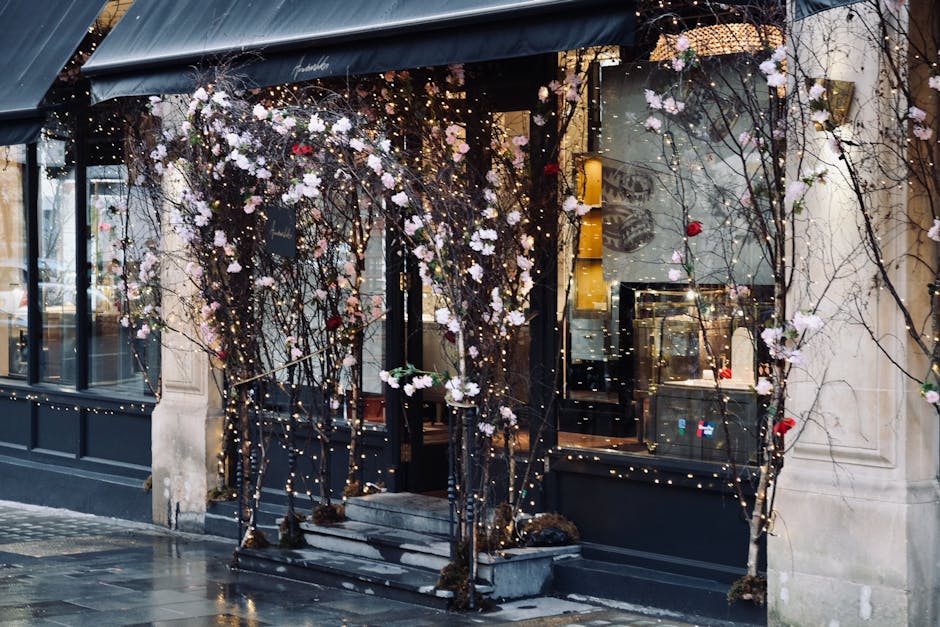
Common Mistakes to Avoid
Most enforcement problems are not caused by dramatic misconduct. They are caused by everyday misjudgements that feel small in the moment and expensive later on. Here are the usual suspects.
- Blocking the pavement: even a few inches can matter in a narrow passageway.
- Assuming decoration is exempt: "It's only flowers" is not a defence if they obstruct access.
- Leaving displays unattended: wind, rain, and foot traffic will do the rest.
- Using fragile containers: broken pots and spilled water create obvious hazards.
- Overfilling the frontage: more product does not always mean more charm.
- Ignoring neighbour feedback: if nearby businesses or residents raise concerns, take it seriously.
- Forgetting nighttime visibility: a display that is easy to spot in daylight can become invisible or dangerous after dark.
One slightly awkward but common mistake is designing for Instagram and forgetting daily use. A display that looks incredible in a still image might become a nuisance when actual humans start moving around it. That happens more often than people expect.
Another one: placing flowers near a doorway where they brush against customers. It seems charming until someone spills coffee, knocks a stem, or catches a coat. Small annoyance, big irritation.
Tools, Resources and Recommendations
You do not need a grand setup to manage this properly, but a few practical tools make life easier.
- Measuring tape: for checking widths, clearances, and placement.
- Phone camera: for keeping dated records of the display and its condition.
- Weighted planters or secure stands: to reduce movement in wind and footfall.
- Maintenance checklist: to track watering, trimming, replacement, and cleaning.
- Design reference folder: photos of approved or successful layouts for future reuse.
- Supply plan: so replacement flowers are ready before the display starts to fade.
If you want to extend the display concept into customer gifting, corporate presentation, or regular seasonal styling, a local service like corporate accounts can be useful for structured ordering. And for the practical side of looking after fresh arrangements, the site's flower care guidance is a sensible starting point.
For business owners who want better visibility without overcommitting, it can also help to explore the broader range of flower shops in Marylebone W1 and compare what feels appropriate for a frontage versus what is better kept indoors. The right choice is usually the one that is easiest to maintain, not the one with the most petals. Honest truth.
Law, Compliance, Standards, or Best Practice
This is the section many people skip, and then they wish they had not. If your floral display touches public space, you should think in terms of compliance and best practice, not just styling. In Westminster, the key concerns are typically public access, safety, and whether the display is allowed in the location where it sits.
Without claiming to give legal advice, the safest principles are these:
- do not obstruct pedestrians, wheelchairs, prams, or delivery movement;
- do not place items where they create a trip, slip, or collision risk;
- do not assume that decorative items are automatically permitted on the highway;
- maintain the display so it does not become messy, unstable, or hazardous;
- keep any approvals, permissions, or correspondence in writing where possible;
- review the display whenever the layout, season, or business use changes.
If you are in doubt, the best approach is to reduce the footprint first and ask questions second. That may sound cautious, but cautious is cheaper than a fine. Usually a lot cheaper.
Best practice also means thinking about wider shopfront presentation. Clean paving, unobstructed signage, sensible container weight, and regular removal of dead stems all help. The display should look like part of a managed frontage, not something that has wandered out from a wedding set and decided to stay.
For broader trust and transparency on the site itself, businesses often also refer to service and policy pages such as guarantees and delivery information. Those are not compliance fixes for pavement use, of course, but they do show the kind of reliability customers expect from a professional floral business.
Options, Methods, or Comparison Table
Not every frontage needs the same solution. The right format depends on space, foot traffic, and how much control you have over the boundary between private and public areas.
| Display option | Best for | Risk level | Practical notes |
|---|---|---|---|
| Window-facing floral styling | Businesses wanting visible impact without using pavement space | Lower | Usually easier to manage, but still needs upkeep and good sightlines |
| Threshold planters inside the boundary | Frontages with enough private depth | Lower to moderate | Works well if nothing spills into the walking line |
| Pavement-adjacent display | Businesses with suitable permissions and strong control measures | Moderate to higher | Needs careful checking, maintenance, and clear public access routes |
| Temporary seasonal display | Short campaigns, events, or festive styling | Moderate | Useful, but easy to neglect if staff are busy or the season changes quickly |
| Fully portable stand display | Businesses wanting flexibility | Variable | Can work well if secured properly; can go wrong fast if underweighted |
In simple terms, the more your design interacts with public space, the more care it needs. That is just the trade-off. No drama, but no shortcuts either.
Case Study or Real-World Example
Imagine a small Marylebone boutique preparing for a spring launch. The owner wants the entrance to feel fresh and visible from the street. The original idea is a pair of tall flower stands just outside the doorway, framed by loose trailing blooms. It looks gorgeous in the draft. Lovely, in fact. The trouble is that the pavement narrows at busy times, and one of the stands sits close enough to the natural walking line that customers begin to sidestep it.
Rather than risk a complaint, the owner makes three changes:
- the display is reduced in width;
- the tallest stems are moved inward and kept below eye-clutter level;
- a sturdier base is used so the arrangement does not shift with passing traffic.
The result is slightly less dramatic, but far more workable. The entrance still feels elegant. Customers can approach easily. Staff can maintain it without stress. And crucially, there is no sense that the business is occupying the street as if it were private property.
That is usually the right lesson, really. A frontage does not need to be the biggest on the block. It needs to be the one that feels easy to use, easy to trust, and easy to live with all day long.
For comparison, a business focused on gift-led trading may instead prefer a product-led approach, such as selecting from best sellers or luxury flowers for visible in-store display, while keeping the exterior more restrained. That split can be smart. Very smart, actually.
Practical Checklist
Use this checklist before, during, and after installing a shopfront floral display in Marylebone.
- Have you measured the space? Confirm the display does not encroach on pedestrian movement.
- Is the display fully stable? Check weights, stands, and containers.
- Are sightlines clear? Make sure customers, cyclists, and vehicles can see safely.
- Do you know whether permission is needed? Confirm whether the display uses private or public space.
- Can the display survive weather? Test it for wind, drizzle, and regular foot traffic.
- Can staff maintain it daily? Assign a named person or shift responsibility.
- Have you photographed it? Keep evidence of the installation and layout.
- Will it still work at busy times? Imagine lunch rush, school-run traffic, and deliveries.
- Is there a backup plan? Be ready to remove or reduce the display quickly if needed.
- Does the frontage still look professional after a week? If not, tweak it.
If you can tick most of those boxes, you are already ahead of many businesses that simply wing it. And winging it, in this case, is rarely charming.
Conclusion
Marylebone shopfront floral displays can absolutely add character, warmth, and street appeal. But once Westminster Council fines enter the picture, the conversation changes from decoration to responsibility. The good news is that most problems are avoidable. Measure properly, keep the display proportionate, maintain clear access, and treat public space with respect. That combination goes a long way.
The best results come from restraint, clarity, and consistency. A well-kept floral frontage should feel like part of the street, not something fighting it. If you get that balance right, you protect the business, improve the customer experience, and keep the look of the place elegant rather than chaotic. Which, to be fair, is exactly what Marylebone tends to reward.
Get a free quote today and see how much you can save.
And if you are still deciding how much floral presence is enough, start smaller than you think. It is easier to add charm than to remove a problem.
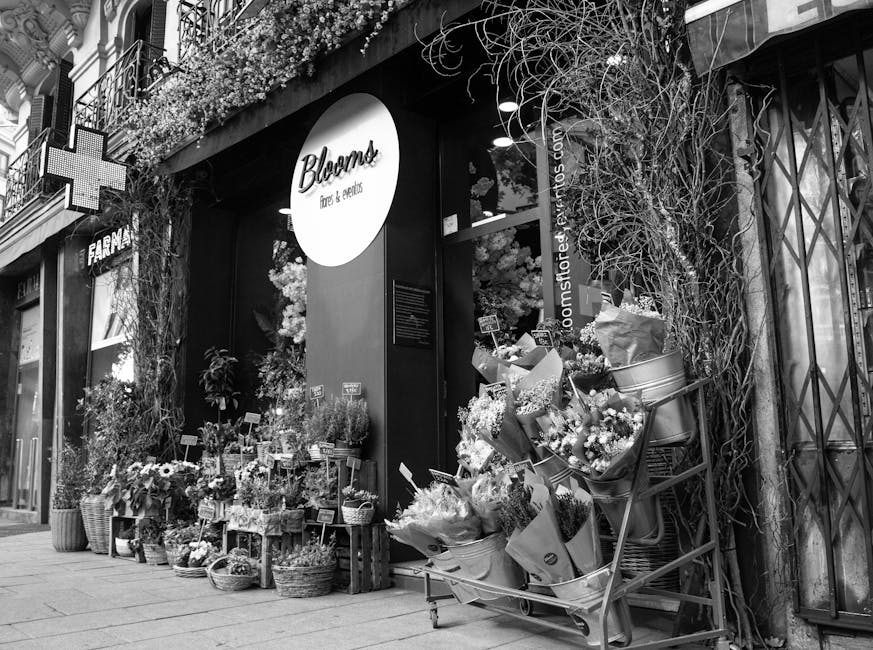
Frequently Asked Questions
What are Marylebone shopfront floral displays: Westminster Council fines usually about?
They are usually about floral or decorative displays that affect public space, safety, or local permission rules. The flowers themselves are not the issue; the placement, stability, and impact on pedestrians are what typically matter.
Can Westminster Council fine a shop for flowers outside the front door?
Potentially, yes, if the display causes obstruction, danger, nuisance, or breaches local rules. A neat display inside private boundary lines is usually less risky than one sitting on or over the pavement.
Do I need permission for a pavement floral display in Marylebone?
That depends on where the display sits and how much public space it uses. If it affects the highway or changes pedestrian movement, it is sensible to check before installing anything.
What is the safest type of shopfront floral display?
The safest option is usually a display that stays entirely within your own boundary, does not block sightlines, and is easy to secure and maintain. Window-facing arrangements are often simpler than pavement-facing ones.
How can I make a floral display look good without risking a fine?
Keep it compact, stable, and proportionate. Use sturdy containers, avoid blocking the walking line, and inspect the arrangement daily. Less dramatic is often more effective in a busy street.
What are the most common mistakes businesses make?
The most common mistakes are blocking access, assuming decoration is automatically allowed, using unstable planters, and failing to maintain the display once it has been installed.
How often should a shopfront floral display be checked?
Ideally every day, especially at opening and closing. Weather, foot traffic, and wilting stems can change the display's condition faster than people expect.
Are artificial flowers safer than fresh flowers for shopfronts?
They can be easier to maintain, but they still need to be positioned safely and legally. Artificial flowers are not a free pass if the arrangement obstructs movement or creates a hazard.
What should I do if a neighbour complains?
Take the complaint seriously, review the display immediately, and reduce or remove it if needed. A quick, cooperative response usually prevents a small issue becoming a bigger one.
Can I use flowers for seasonal promotions without changing the whole frontage?
Yes, and that is often the best approach. Small, seasonal changes can refresh the look of a shopfront without creating the complications of a full pavement installation.
Do floral displays affect customer perception?
Absolutely. A tasteful display can make a business feel welcoming and cared for, while a cluttered or messy frontage can have the opposite effect. People notice, even if they do not say so out loud.
Where can I start if I want a safer, more manageable floral frontage?
Start by measuring your frontage, deciding what space you can genuinely use, and choosing a display that stays within that limit. From there, build in maintenance and review it after a few days of real customer traffic.